
Image Ordered

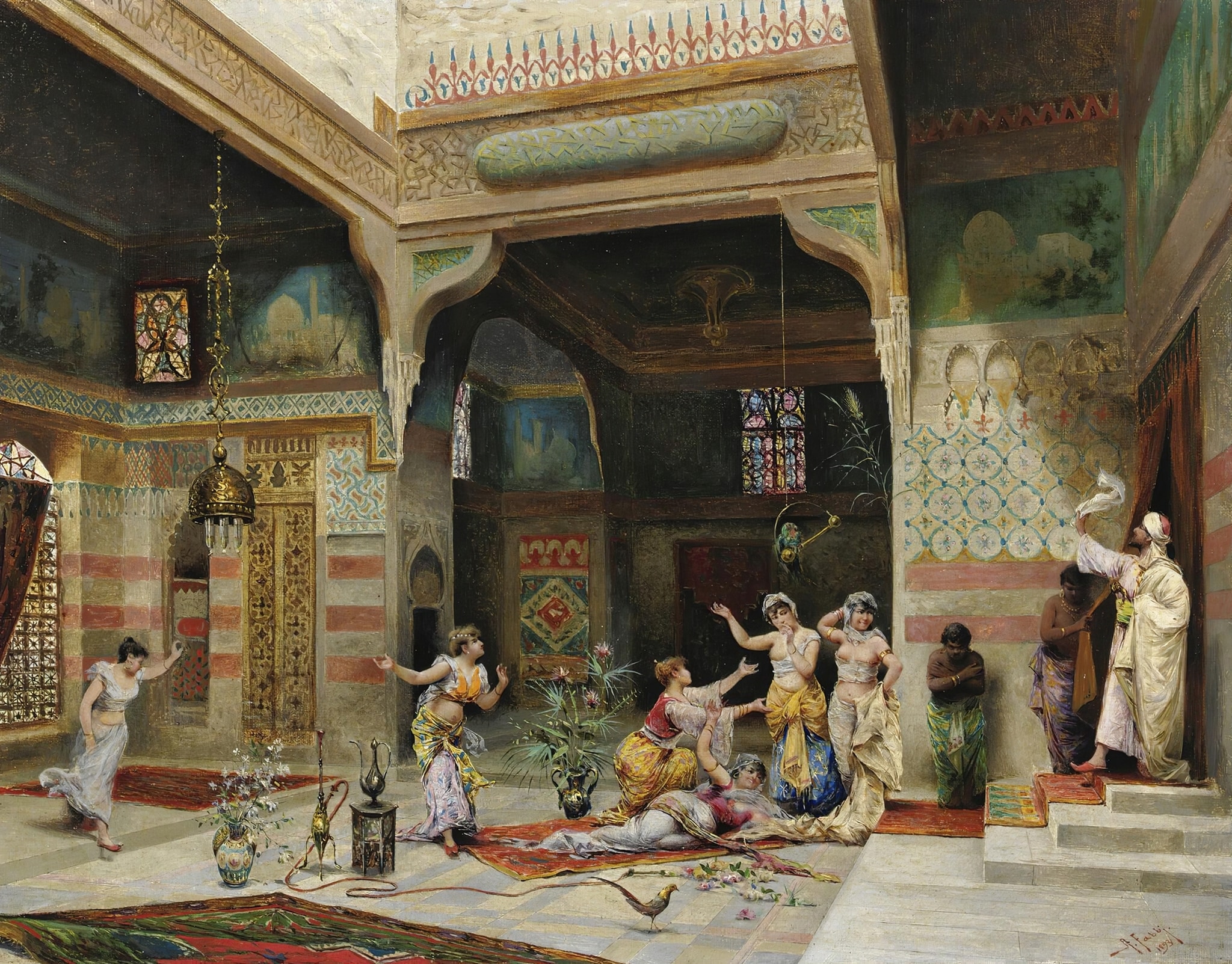
IG_145: Odalisques
(MISC_IG_Fabbi_IG_145)

Contact Details

Please specify your first name.
Please specify your name.
Please specify your e-mail address.
The e-mail address is invalid.

Please provide as much information as possible (publication title, database, publisher, edition, year of publication, etc.).

The Vitrocentre Romont can only provide you with its own photographs. We regret that we cannot supply images from third parties to you. If your order concerns photographs from third parties, we will send you the contact address from which the images can be obtained.

The personal data you provide in this form will be used by Vitrocentre Romont exclusively for the processing of your image order. Correspondence regarding the order will be archived for internal reference. The data will not be used for purposes other than those listed here, nor will it be passed on to third parties. By sending the order form, you agree to this use of your personal data.

Should you have any questions, please send us an e-mail: info@vitrosearch.ch.

Title

Odalisques

Type of Object
Dimensions
35 x 45 cm
Artist / Producer
Dating
1893
Location
Research Project
Author and Date of Entry
Sarah Tabbal 2024

Iconography

Description

The Bologna-born Orientalist painter Alberto Fabbi (1858–1906) included stucco and glass windows in his oil painting Odalisques. He depicted a so-called ‘harem scene’, in which, a man on the right-hand side is welcomed by a group of women in a richly decorated interior: intarsia marble, lattices, and ceramic tiles are visible in the lower zone of the wall, while the upper section of the wall features murals with architectural views and multi-coloured stucco and glass windows with various forms of geometric ornament. There are two identical windows in the central recess and another shown in part to the left of it. Another geometric window in the left recess is depicted next to a mural painting with architectural motifs.

Iconclass Code
41A2 · interior of the house
41A33 · window
42Z11 · harem
48A981 · ornament ~ geometric motifs
48C1412 · interior ~ representation of a building
Iconclass Keywords

Materials, Technique and State of Preservation

Technique

Oil on canvas.

History

Research

Alberto Fabbi’s younger brother, Fabio Fabbi (1861–1946), was also an Orientalist painter: he had turned away from sculpture and, after returning from a trip to Egypt in 1886, had become one of the most important Orientalist painters in Italy, with a studio in Florence in which he held a collection of Islamic architectural elements and artefacts (De Gubernatis, 1889, pp. 189–190, and Sinigaglia, 2021). In 1887, the Italian historian Guido Carocci, director of the Museo nazionale di San Marco in Florence and editor of the weekly magazine Arte e Storia (1851–1916), wrote that the two brothers had travelled to Egypt and described their Orientalist works as souvenirs: ‘I Fratelli Fabbi espongono diversi interessanti e graziosi ricordi di tipi e di costumi egiziani e arabi frutto del loro soggiorno nella terra dei Faraoni.’ (Carocci, 1887, p. 47). It is possible that for the house in his painting Odalisques Alberto Fabbi was inspired by Cairene interiors such as the ‘House of the Mufti’, which he may have visited during his sojourn in Egypt, with its murals and coloured stucco and glass windows (see https://vitrosearch.ch/buildings/2713627).

Dating
1893

Bibliography and Sources

Literature

Carocci, G. (1887). L’Espositzione della promotrice. Arte e storia, 46–47.

De Gubernatis, A. (1889). Dizionario degli artisti italiani viventi, pittori, scultori e architetti. Firenze: Coi Tipi dei successori Le Monnier.

Sinigaglia, F. (2021). Fabio Fabbi (1861–1945). Il viaggio dell’anima. Bologna: Ed. Grafiche Zanini.

Image Information

Name of Image
MISC_IG_Fabbi_IG_145
Credits
Artvee
Copyright
Public Domain

Citation suggestion

Tabbal, S. (2024). Odalisques. In Vitrosearch. Retrieved December 5, 2025 from https://vitrosearch.ch/objects/2712989.

Record Information

Reference Number
IG_145